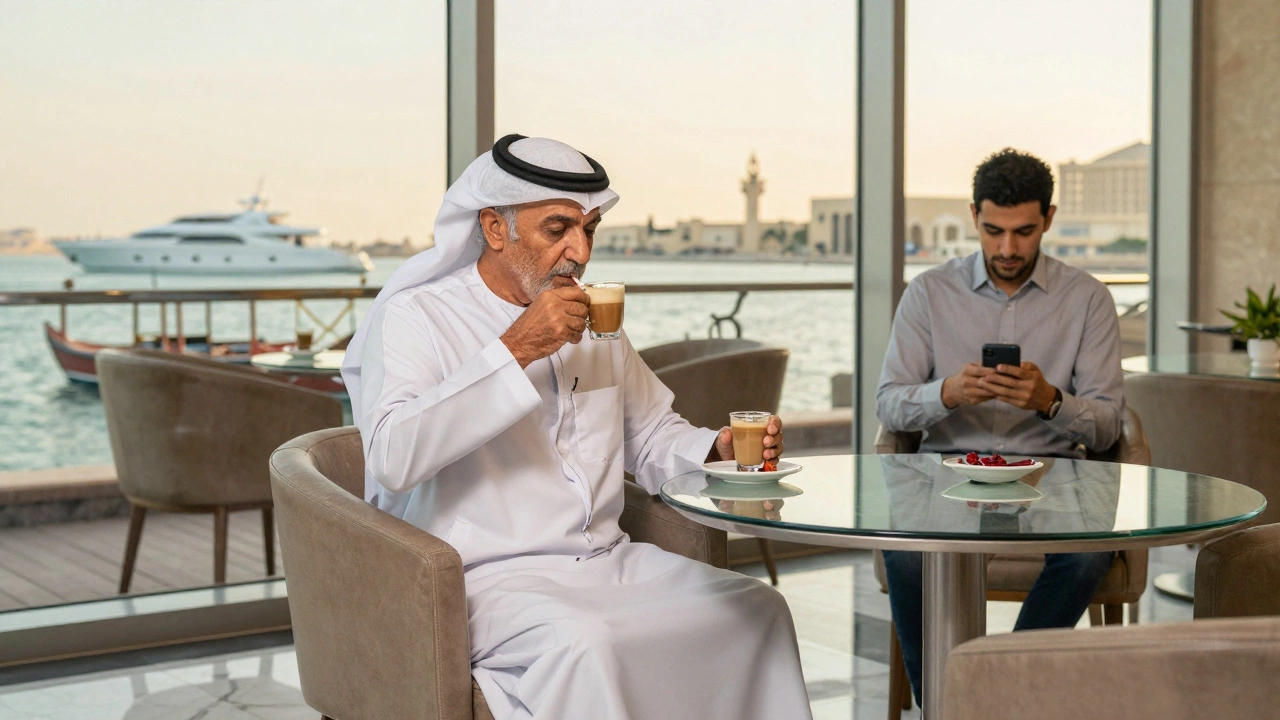
Dubai isn’t just a city of glass towers and luxury malls-it’s a place where desert winds still carry the echoes of Bedouin poetry, and where traditional dhow boats glide past yachts worth millions. The culture here doesn’t erase the past to make room for the future; it weaves them together. You’ll see elders in white thobes sipping cardamom coffee next to young professionals scrolling through smartphones on designer sofas. This blend isn’t accidental. It’s the result of deliberate choices made over decades to preserve identity while embracing global influence.
For some, this mix creates confusion. A few online forums mention adultwork dubai as a side note to the city’s nightlife, but those stories rarely reflect the broader social fabric. Dubai’s laws are strict, and public behavior is closely tied to cultural norms. While expats bring different habits, the government enforces rules that protect local values-especially around public morality and family life. What you see on the surface is carefully curated. What happens behind closed doors is a separate conversation, often misunderstood by outsiders.
The Roots of Dubai’s Social Code
Before oil turned Dubai into a global hub, life here was shaped by survival. The desert demanded discipline. Hospitality wasn’t optional-it was a matter of life and death. A traveler who stumbled upon a Bedouin camp was given food, water, and shelter without question. That code still exists today, just in modern form. Hotels offer free dates and Arabic coffee to guests. Families host large gatherings for Eid, where every relative, no matter how distant, is welcomed.
Religion plays a quiet but powerful role. Prayer calls echo five times a day, and during Ramadan, even non-Muslims are expected to avoid eating or drinking in public. These aren’t just traditions-they’re social contracts. Breaking them isn’t just rude; it can lead to fines or deportation. The government doesn’t police every personal choice, but it draws clear lines around what’s acceptable in public spaces.
Expats and the Shifting Social Landscape
More than 80% of Dubai’s population is made up of expatriates. People from over 200 countries live here-Indians, Filipinos, Britons, Russians, Americans. Each group brings its own customs, and over time, those customs have started to blend. You’ll find Indian restaurants serving shawarma, British pubs playing Arabic pop music, and Filipino nurses attending Friday family dinners with Emirati colleagues.
But this blending has limits. Public displays of affection are frowned upon. Dress codes in malls and government buildings require modesty. Even in luxury hotels, swimwear is restricted to pool areas. These rules aren’t about control-they’re about maintaining a shared understanding of respect. Many expats learn quickly: if you want to live here long-term, you adapt.
Some try to push boundaries. There are underground parties. Some foreign workers, especially those in hospitality or entertainment, navigate gray areas. But stories about sex workers in dubai are often exaggerated or taken out of context. The legal system treats such activities as serious offenses. Arrests happen. Deportations follow. The city doesn’t tolerate exploitation, even if it’s hidden.
Media Myths vs. Daily Reality
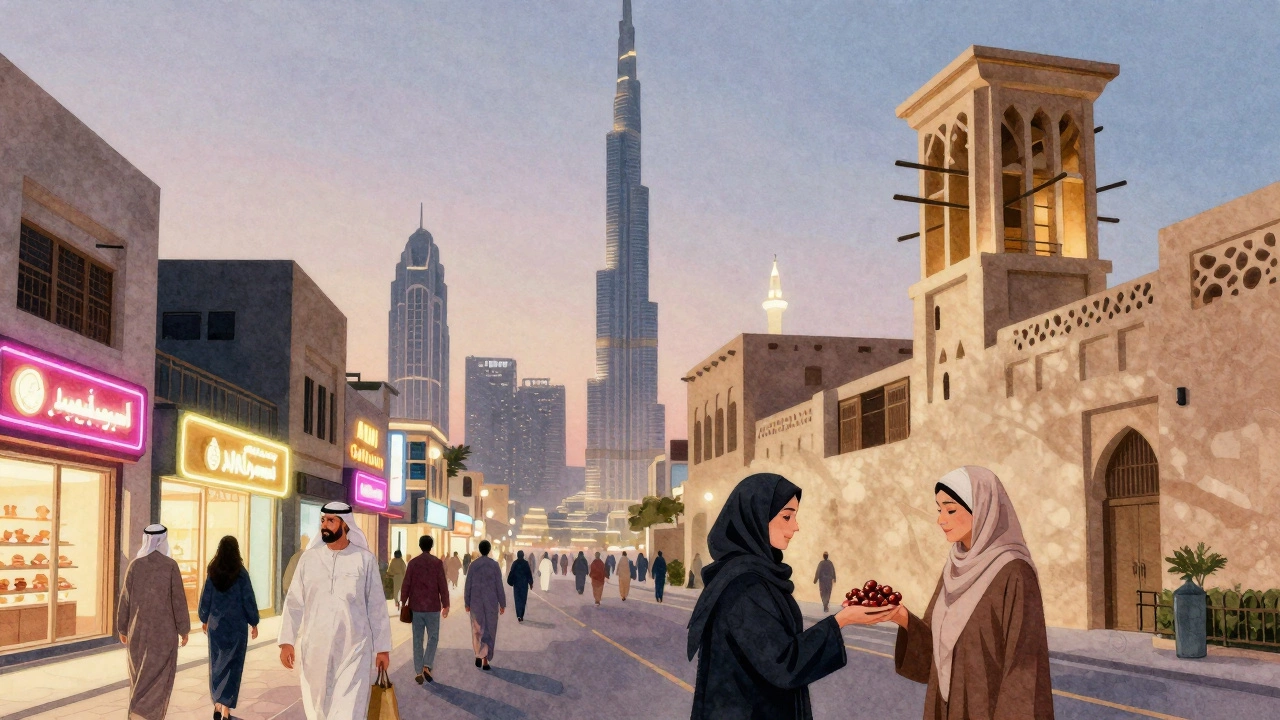
International media loves to paint Dubai as a playground of excess. Movies show billionaires gambling in penthouses while models dance on tables. Reality is far quieter. Most residents live ordinary lives. They work 9-to-5 jobs, send kids to school, shop at Carrefour, and pray at the mosque. Weekends are for family picnics at Al Marmoom Desert or beach days at Jumeirah.
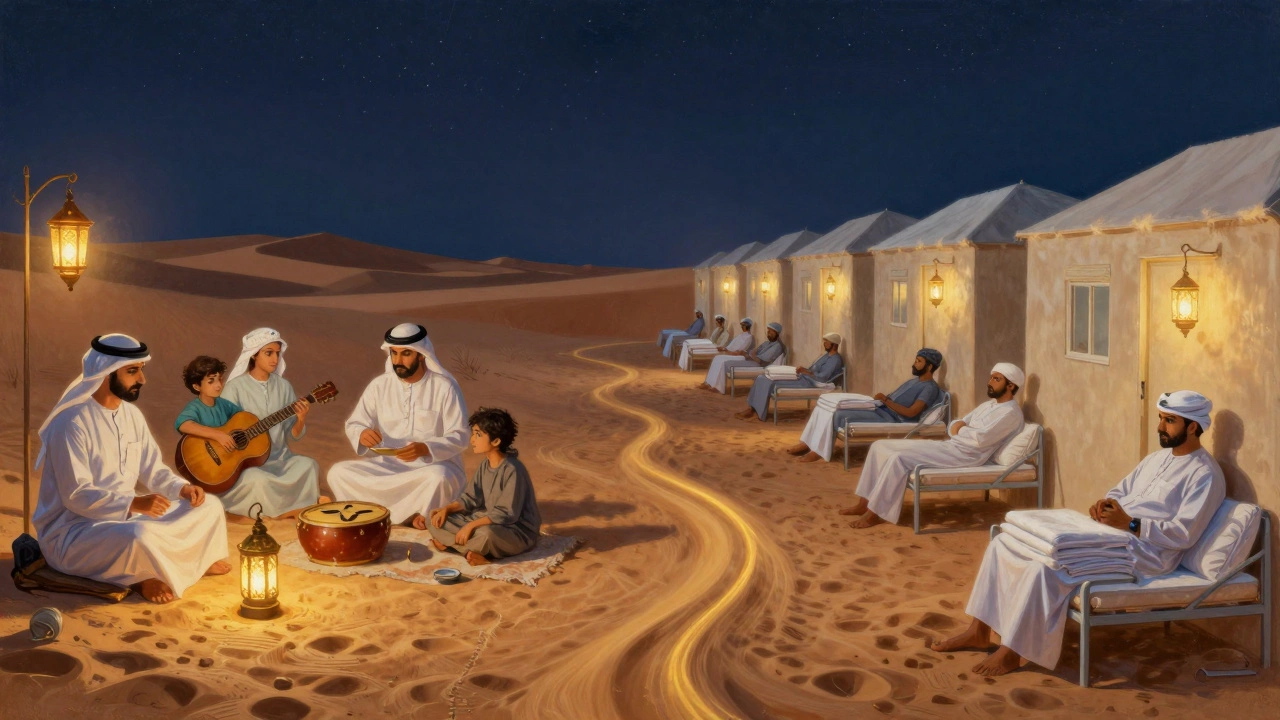
The city’s reputation for luxury is real-but it’s not the whole story. There are labor camps where construction workers live in dormitories. There are low-income neighborhoods where maids and drivers share small apartments. Dubai’s wealth is unevenly distributed, and that tension shapes how people interact. The elite live in one world. The working class lives in another. And the rules apply differently to each.
That’s why claims about dubai sex workers often miss the point. They focus on the fringe, ignoring the majority. The real story isn’t about hidden nightlife-it’s about how a society manages rapid change without losing its soul.
How Dubai Maintains Balance
Dubai doesn’t rely on censorship alone. It uses education, economic incentives, and social pressure to guide behavior. Schools teach Islamic values alongside science and math. Companies offer housing and healthcare to employees who follow local norms. Community centers host cultural workshops for expats. The goal isn’t to make everyone Emirati-it’s to make everyone respectful.
There’s also a strong sense of pride. Emiratis don’t see their traditions as outdated. They see them as the foundation of their success. The country’s rapid growth didn’t come from copying the West-it came from adapting global tools while keeping local values intact. That’s why you’ll find AI-powered museums next to heritage villages. It’s why the Dubai Metro has gender-separated cars during peak hours.
What Visitors Should Know
If you’re planning a trip to Dubai, here’s what matters most:
- Don’t take photos of people without permission-especially women or government buildings.
- Avoid public displays of affection. Holding hands is okay. Kissing or hugging is not.
- Respect Ramadan. No eating, drinking, or smoking in public during daylight hours.
- Dress modestly in malls, markets, and religious sites. Shoulders and knees should be covered.
- Don’t assume Western norms apply. Just because something is legal in your country doesn’t mean it’s acceptable here.
Most locals are welcoming if you show respect. They’ll help you navigate the city, recommend food spots, and even invite you to their homes. But that trust has to be earned.
The Future of Dubai’s Culture
Dubai is changing. More young Emiratis are studying abroad. Social media is spreading global trends. The next generation will push for more openness. But they’re also proud of their roots. The government knows this. It’s investing in cultural preservation-funding traditional music, sponsoring heritage festivals, and even creating digital archives of oral histories.
The real question isn’t whether Dubai will become more Western. It’s whether it can keep its identity while growing. So far, it’s managed. The skyline changes every year. The culture? It’s holding steady.
And while some online spaces mention adultwork dubai as if it’s a normal part of life, the truth is far simpler: Dubai thrives because most people choose to follow the rules-even when no one’s watching.


Post A Comment